
Trauma Treatment in The Woodlands & Houston: How Trauma Affects the Brain and What Helps
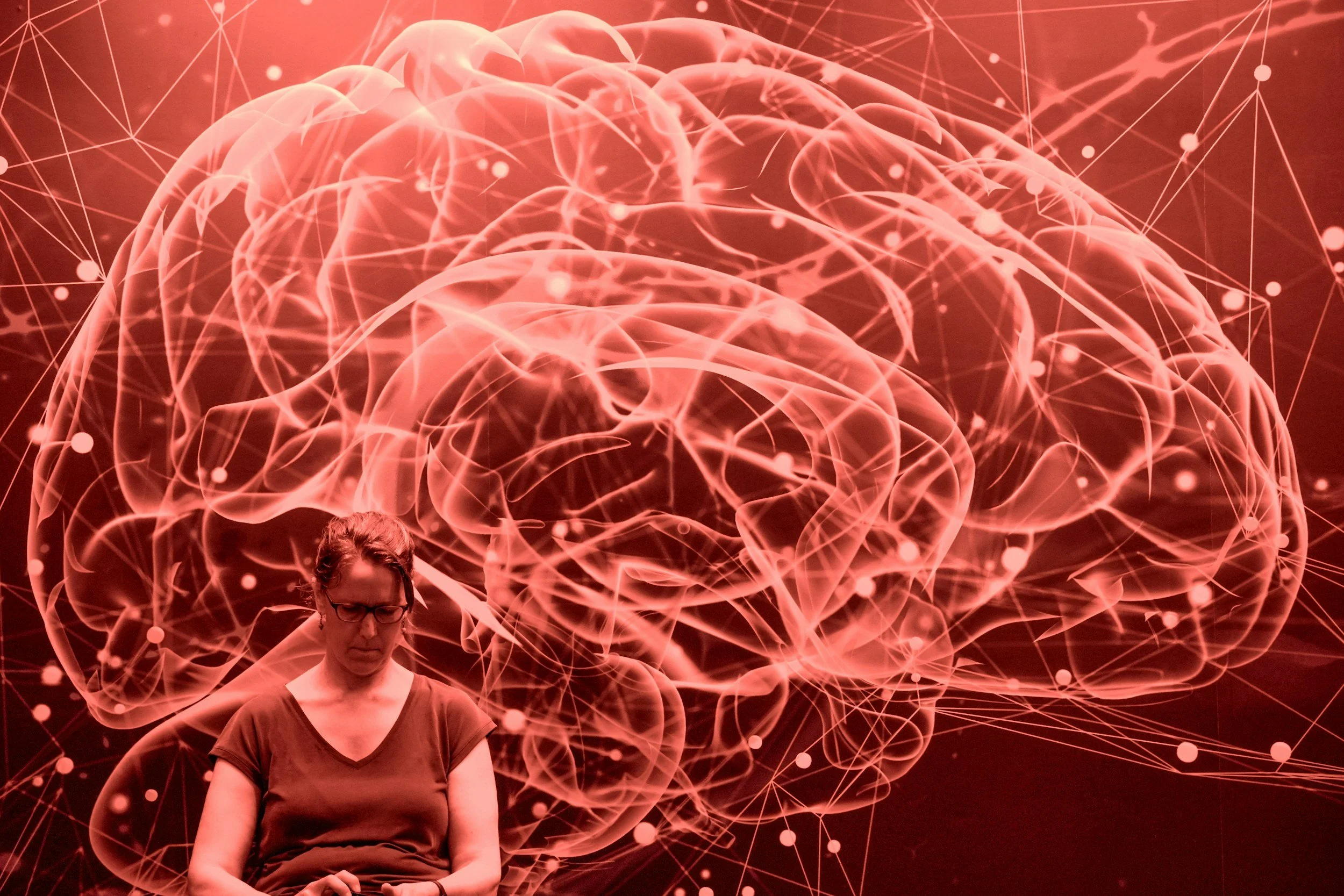
Trauma doesn’t just live in your memories—it can live in your body, your nervous system, and the way your brain reacts to stress. Many people who have been through trauma feel confused by their own symptoms: “Why am I so on edge?” “Why do I shut down?” “Why can’t I just move on?”
The truth is: these reactions are often your brain trying to protect you. Trauma can change how the brain processes threat, emotion, and safety—but with the right support, healing is absolutely possible.
At Hope Mental Health Clinic, we provide trauma-informed psychiatric care for adolescents (13+) and adults in The Woodlands area and across Texas via telepsychiatry. Here’s what trauma can do to the brain—and what actually helps.
What Counts as Trauma?
Trauma isn’t only one “big event.” It can include:
Accidents, medical trauma, or life-threatening events
Abuse, assault, neglect, or domestic violence
Sudden loss, grief, or abandonment
Chronic stress, instability, or ongoing conflict
Childhood experiences that shaped safety, attachment, or self-worth
Two people can go through the same experience and be affected differently. Trauma is less about what happened and more about how your brain and body were impacted.
How Trauma Affects the Brain
When you experience trauma, your brain learns to prioritize survival. That can be helpful in the moment—but exhausting long-term.
1) The Amygdala becomes more reactive
The amygdala is often called the brain’s “alarm system.” After trauma, it may become more sensitive to cues of danger—even when you’re objectively safe.
This can show up as:
Feeling easily startled
Hypervigilance (“always on edge”)
Irritability or anger
Panic symptoms
Trouble relaxing, even during downtime
2) The Prefrontal Cortex has a harder time “calming things down”
The prefrontal cortex helps with decision-making, impulse control, and regulating emotion. Trauma can make it harder for this part of the brain to override the alarm system in stressful moments.
This can look like:
Feeling overwhelmed quickly
Struggling to think clearly when triggered
Emotional outbursts or shutdown
Difficulty with focus, planning, or follow-through
3) The Hippocampus can affect memory and time
The hippocampus helps organize memories and place experiences in context (“that was then, this is now”). Trauma can disrupt this process, leading to:
Intrusive memories or flashbacks
Feeling like the past is happening in the present
Memory gaps or difficulty recalling details
Feeling disoriented during triggers
4) The nervous system can get “stuck” in survival mode
Trauma can keep the body in fight/flight/freeze more often than it needs to be. Your system may bounce between:
Fight/flight: anxiety, tension, restlessness, racing thoughts
Freeze/shutdown: numbness, dissociation, exhaustion, depression-like symptoms
Neither response is weakness—these are survival responses that can become habitual over time.
Common Signs Trauma May Be Affecting You
Trauma doesn’t always show up as obvious flashbacks. It can also appear as:
Anxiety, panic, or constant worry
Sleep problems (insomnia, nightmares, waking up tense)
Emotional numbness or feeling disconnected
Irritability, anger, or a short fuse
Difficulty trusting others or feeling safe in relationships
Avoidance of people/places/topics that remind you of the past
Brain fog, low motivation, or “shut down” feelings
Physical symptoms: headaches, stomach issues, chronic tension
If these patterns feel familiar, you’re not alone—and you’re not “too sensitive.” Your system may be responding to threat based on what it learned earlier.
What Helps Trauma Healing
Healing doesn’t mean forgetting what happened. It means helping your brain and body learn safety in the present.
1) Trauma-informed therapy
Therapy is often the most effective path for long-term trauma recovery. Helpful approaches may include:
Trauma-focused CBT (especially for teens)
EMDR (eye movement desensitization and reprocessing)
CPT (Cognitive Processing Therapy) for trauma-related beliefs and guilt/shame
Somatic approaches that support nervous system regulation
Parts work / internal systems approaches (when appropriate)
A good trauma therapist moves at a pace that feels safe and empowering—not forced.
2) Medication management (when appropriate)
Medication can’t “erase” trauma, but it can help reduce symptoms that keep you stuck in survival mode—such as severe anxiety, depression, panic, insomnia, or mood instability.
Medication management may help by:
lowering baseline anxiety and hyperarousal
supporting sleep and emotional regulation
reducing intrusive symptoms so therapy is more tolerable
The goal isn’t to change who you are—it’s to help your nervous system stabilize so healing becomes possible.
3) Nervous system regulation skills
Small tools practiced consistently can help retrain your system over time:
Grounding exercises (5-4-3-2-1 senses, temperature change, “name 5 things”)
Breathing practices that emphasize slow exhale
Gentle movement (walking, stretching, yoga)
Sleep routines and reducing late-night stimulation
Reducing overwhelm through structure and pacing
Safe connection (supportive relationships, group support, faith/community if helpful)
Healing often looks like learning what helps your body feel safe again.
When to Reach Out for Help
Consider seeking support if:
Symptoms have lasted two weeks or longer
Sleep, relationships, or daily functioning are affected
You’re avoiding life to avoid triggers
You feel numb, disconnected, or constantly on edge
You’re using substances, overworking, or isolating to cope
If you feel unsafe or have thoughts of self-harm, call 988, call 911, or go to the nearest ER.
You Don’t Have to Carry This Alone
Trauma can shape the brain—but it doesn’t have to define your future. With trauma-informed care, many people experience real improvements in sleep, mood, relationships, and the ability to feel present again.
Hope Mental Health Clinic offers compassionate psychiatric care for adolescents (13+) and adults in the The Woodlands area and across Texas through telepsychiatry.